

5 Psychological Thrillers Better Than The Silent Patient
The Silent Patient has a strong premise and a memorable twist. What many readers find afterward is that the twist is the book. Once the mechanism clicks, there is not much to return to: the characters exist to serve the plot device rather than the other way around, and the psychiatric setting keeps the story at a remove from anything that feels like real emotional stakes.
These five psychological thrillers fix that problem, each in a different way. Some have sharper prose, some have more layered characters, some have twists that land at the midpoint rather than the finale. None of them treats the reader’s curiosity as something to be stored in a locked box until the last chapter.
Pick the right one:
- For the sharpest prose and the most precise commentary on marriage and manipulation: Gone Girl
- For three female narrators and unreliability built from genuine memory loss: The Girl on the Train
- For real-time perceptual uncertainty in a Hitchcock-influenced setting: The Woman in the Window
- For an ending that rewrites the genre conventions you brought to the book: Behind Her Eyes
- For the closest formal match to The Silent Patient, with more emotional depth: The Wife Between Us
1. Gone Girl by Gillian Flynn
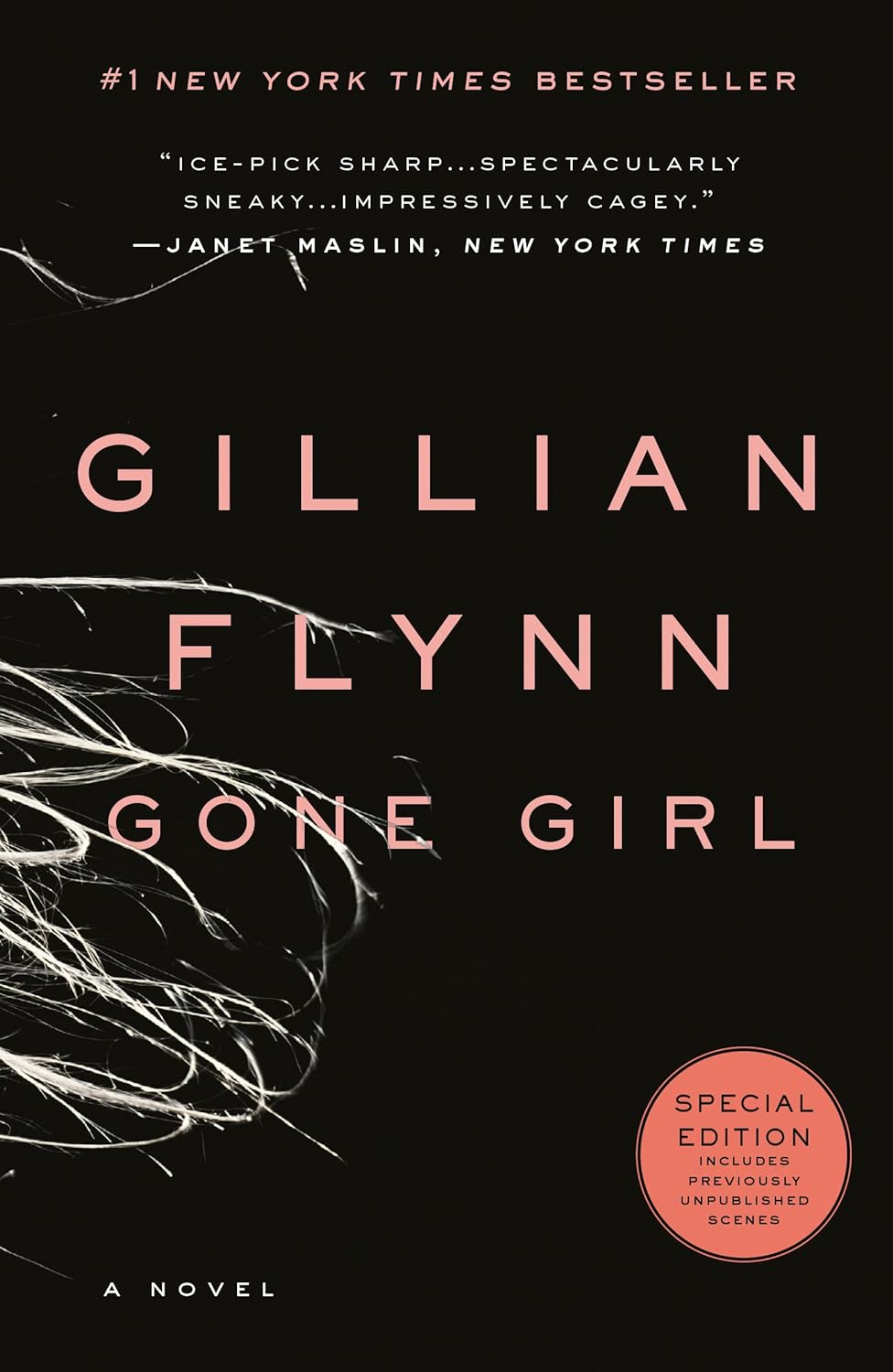
Gone Girl established the domestic thriller template that The Silent Patient borrowed from.
Both Nick and Amy narrate in first person, and both are unreliable, not retrospectively but actively and simultaneously. The Silent Patient withholds information through structure and delivers it at the end; Gone Girl delivers its core mechanism at the midpoint and then pivots into a different, arguably more unsettling second half. Once you know what Amy did, the thriller becomes a cat-and-mouse with the stakes fully visible. The tension does not require your ignorance to function.
Flynn’s prose has a quality The Silent Patient lacks: wit as a weapon. Amy’s “Cool Girl” passage is one of the most analytically precise pieces of writing in the genre, dissecting performed femininity in a way that functions simultaneously as character revelation and cultural criticism. That commentary runs through every chapter, not just the twist, which is why the book holds up to a second read when The Silent Patient does not.
Best for: Readers who felt The Silent Patient delivered a clever ending but not a lasting book.
2. The Girl on the Train by Paula Hawkins
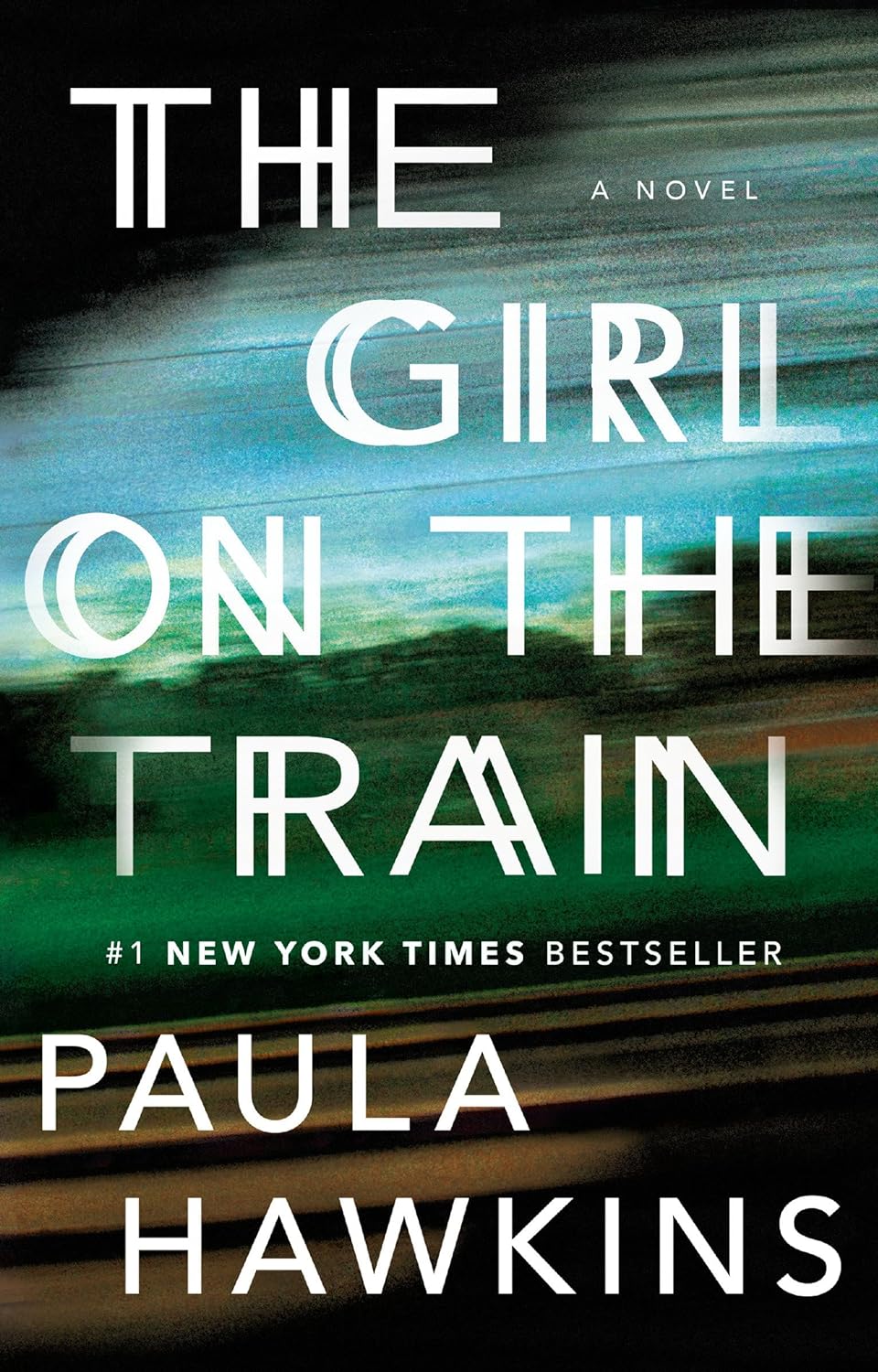
Where The Silent Patient gives you a single male narrator who turns out to be the hidden actor, The Girl on the Train works through three female first-person voices, each unreliable for different reasons. Rachel, the central narrator, has genuine alcoholic memory gaps, not a structural trick but a characterological condition. The mystery unfolds through accumulated small omissions and misremembered moments rather than one large withheld fact.
The suburban commuter setting does something the psychiatric milieu of The Silent Patient cannot: it grounds the thriller in ordinary life. The secrets here are the kind that exist in any house visible from a train window. Crucially, the unreliability is sympathetic rather than ultimately villainous. Rachel’s depression and self-destruction give the mystery genuine personal stakes, making her someone worth following even as her perception fails her.
Best for: Readers who wanted The Silent Patient’s domestic tension applied to a character with real emotional texture.
3. The Woman in the Window by A.J. Finn
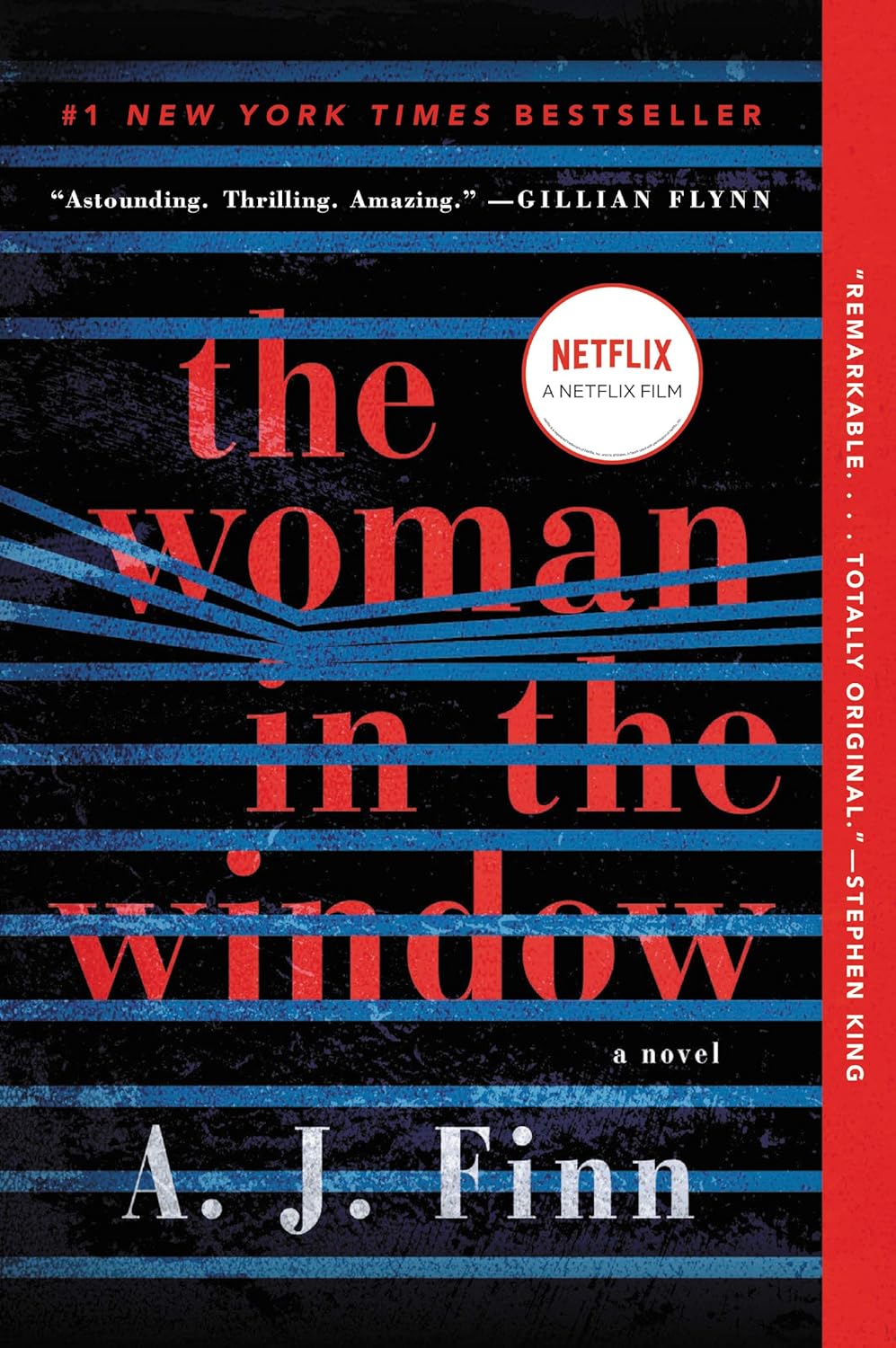
The Woman in the Window commits entirely to a single Hitchcock-derived conceit: an agoraphobic woman confined to her brownstone watches her neighbors through the window and believes she has witnessed a crime. No one believes her.
The Silent Patient keeps you at clinical distance from its most important character: Alicia does not speak, and the reader learns what happened through institutional mediation. The Woman in the Window puts you inside a disordered mind in real time. The narrator’s perceptual unreliability is ongoing rather than retrospectively revealed; the uncertainty about what is real is sustained across every chapter, not concentrated in the finale.
Best for: Readers who want perceptual disorientation sustained throughout the book rather than deployed at the close. The Hitchcock influence is explicit; Rear Window is the direct reference point.
4. Behind Her Eyes by Sarah Pinborough

Behind Her Eyes runs three narrators through a slow marriage triangle toward an ending that operates by discarding the genre framework you brought to the book, rather than by withholding information within it.
The criticism The Silent Patient draws most often is that its ending is clever but traceable in hindsight; Behind Her Eyes makes that impossible. The ending is divisive: audacious to some, a betrayal of the form to others. Either way, it stays with readers in a way The Silent Patient does not.
Before the ending, the relationship dynamics between Adele, Louise, and David carry the book on character work alone, making it a stronger psychological study than The Silent Patient even without accounting for the finale.
Best for: Readers prepared to have their genre expectations overturned. If The Silent Patient felt predictable in hindsight, this is the corrective.
5. The Wife Between Us by Greer Hendricks and Sarah Pekkanen
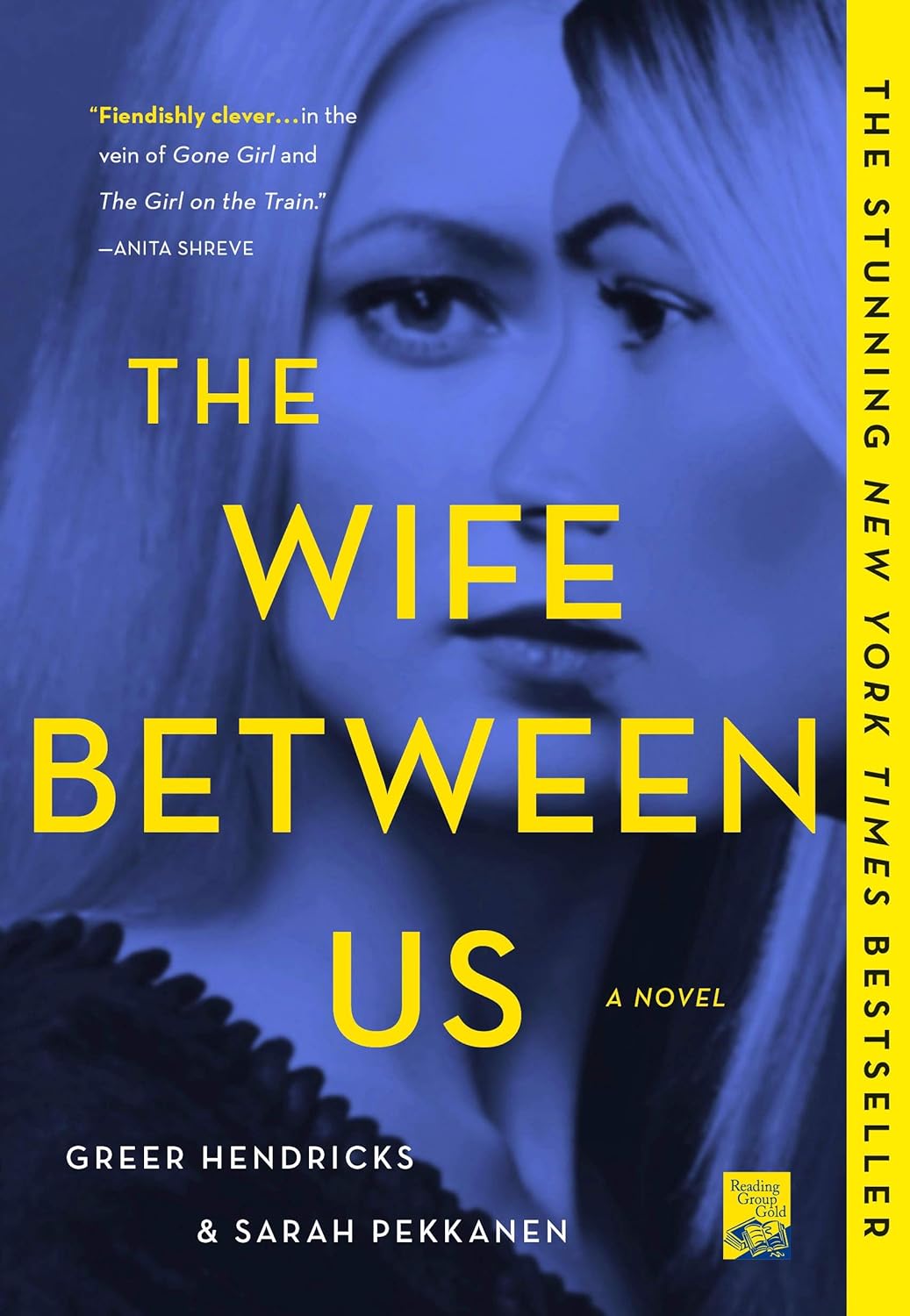
The Wife Between Us shares The Silent Patient’s core mechanism (two apparent narratives that turn out to be one story told from a misunderstood angle) but applies it to a relationship structure rather than a psychiatric mystery. By the midpoint, you realize you have fundamentally misread the identity relationship between the two female narrators. Everything you assumed about who is threatened and who is threatening reverses.
Where The Silent Patient’s reveal unmasks a hidden actor, The Wife Between Us unmasks a hidden relational structure, which changes every character’s motivation and makes the second half more emotionally involving than a simple “now I know the villain” reconfiguration.
Best for: Readers drawn to The Silent Patient for the marriage and obsession angle rather than the psychiatric thriller setting.
All five earn the comparison, each through a different mechanism. Gone Girl and Behind Her Eyes are the most ambitious in what they attempt. The Girl on the Train is the most emotionally grounded. The Woman in the Window is the most atmospheric. The Wife Between Us is the closest formal companion to The Silent Patient if the domestic-suspense frame is what drew you in.
Start with the one that matches what you wanted and did not quite get.